


The Hidden Cost of Low-Quality Monitors: Why Professionals Are Switching to Apple Studio Display

In today’s digital-first work environment, professionals rely heavily on their screens. Whether it is graphic design, video editing, coding, or financial analysis and business decision-making, the monitor is not just a display device. It is the primary workspace where decisions are made, ideas are executed, and accuracy matters.
Yet, many professionals continue using low-quality monitors without realizing the long-term impact. While the upfront savings may seem appealing, the hidden costs can affect productivity, health, and output quality. This growing awareness is one of the key reasons why many professionals are now upgrading to premium solutions like the Apple Studio Display.
Let us break down what these hidden costs really are and why the shift is happening.
Poor Color Accuracy Leads to Costly Mistakes
One of the most critical issues with low-quality monitors is inaccurate color reproduction. Budget displays often lack proper calibration and use panels that cannot reproduce a wide color gamut.
For professionals working in design, photography, or video production, this creates a serious problem. Colors seen on screen may not match the final output across devices or print. This leads to:
-
Repeated revisions
-
Client dissatisfaction
-
Wasted time adjusting colors manually
Industry standards such as DCI P3 and sRGB are widely used benchmarks for color accuracy. High-end displays are designed to meet these standards consistently, while cheaper monitors often fall short.
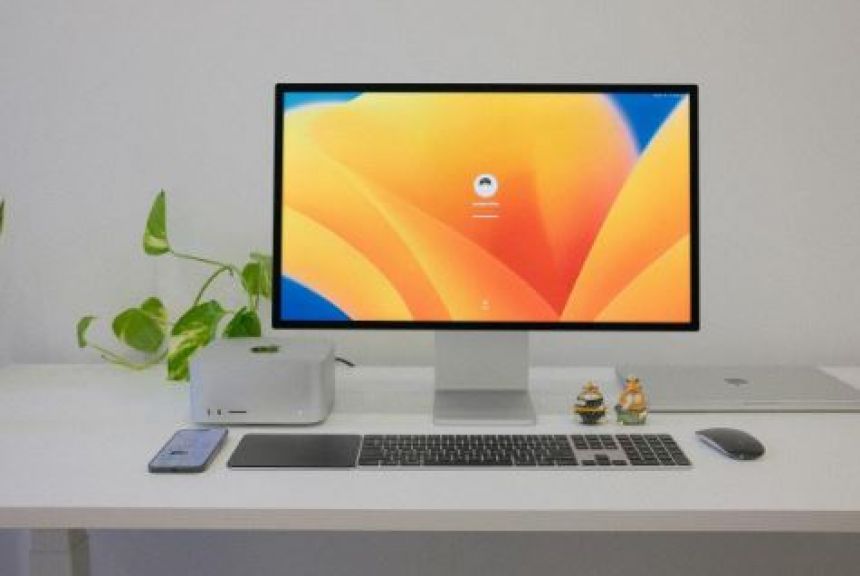
In contrast, displays like the Apple Studio Display are factory calibrated and support wide color gamuts, helping professionals trust what they see on screen. This reduces rework and ensures consistency across projects.
Low Resolution Reduces Workflow Efficiency
Another hidden cost comes from lower screen resolution. Many entry-level monitors still use Full HD resolution, which limits the amount of content visible at once.
For professionals who multitask or work with detailed content, this creates friction:
-
Frequent zooming in and out
-
Limited workspace for timelines and tools
-
Difficulty managing multiple windows
Higher-resolution displays such as 4K and 5K significantly improve workspace efficiency. According to usability studies, increased screen real estate allows users to complete tasks faster and with fewer errors.
A 5K display like the Apple Studio Display offers more pixels and sharper text rendering, making it easier to work on detailed projects such as UI design, video editing timelines, or high-resolution photography.
Eye Strain and Long-Term Health Impact

Extended screen time is now a reality for most professionals. However, low-quality monitors often lack features that reduce eye strain.
Common issues include:
-
Flickering backlights
-
Poor brightness control
-
Low contrast ratios
-
Inconsistent color temperature
These factors contribute to digital eye strain, which can lead to headaches, fatigue, and reduced productivity. Research from organizations like the American Optometric Association highlights that prolonged exposure to poor screen conditions can impact both comfort and focus.
Premium displays are designed with better brightness uniformity, anti-reflective coatings, and stable color output. This creates a more comfortable viewing experience, especially during long working hours.
Professionals switching to high-end displays often report improved visual comfort, which directly supports sustained productivity.
Build Quality and Longevity Concerns
Low-cost monitors are often built with cost-cutting materials and limited quality control. Over time, this can result in:
-
Uneven backlighting
-
Color shifts
-
Hardware failures
Replacing monitors frequently adds to long-term costs. What initially seemed like a budget-friendly choice can become more expensive over time.
On the other hand, premium displays are designed for durability and consistent performance. Investing in a reliable display reduces the need for frequent replacements and ensures stable output over years of use.
Limited Integration and Connectivity
Modern workflows require seamless integration across devices. However, many budget monitors offer limited connectivity options and lack advanced features.
Common limitations include:
-
Fewer ports
-
No integrated camera or speakers
-
Poor compatibility with creative workflows
This leads to additional spending on accessories and creates a cluttered workspace.
High-end displays are designed as all-in-one solutions. For example, many professionals prefer setups where a single display can handle video, audio, and connectivity efficiently. This simplifies the workspace and improves overall usability.
Impact on Professional Output and Reputation
Perhaps the most overlooked cost is the impact on work quality and professional reputation.
When using a low-quality monitor:
-
Visual inconsistencies can affect final deliverables
-
Clients may notice discrepancies in color or detail
-
Professionals may spend more time correcting avoidable issues
In competitive industries, even small inconsistencies can make a difference. Delivering accurate, high-quality work consistently is essential for building trust and maintaining credibility.
Upgrading to a professional-grade display ensures that what you create matches industry standards, reducing the risk of errors and improving overall output quality.
Why Professionals Are Making the Switch
The shift toward premium displays is not just about luxury. It is about efficiency, accuracy, and long-term value.
Professionals are increasingly recognizing that
-
Time saved on revisions translates to higher productivity
-
Better visuals lead to better decision-making
-
Reliable hardware reduces interruptions
This is where options like the Apple Studio Display stand out. With its high-resolution panel, wide color support, and integrated features, it addresses many of the limitations found in lower-quality monitors.
For professionals who depend on visual precision, upgrading is less about preference and more about necessity.
Final Thoughts
The true cost of a monitor is not just its price tag. It is the impact it has on your work, your health, and your efficiency over time.
Low-quality monitors may seem like a practical choice initially, but the hidden costs quickly add up. From inaccurate colors and reduced productivity to eye strain and frequent replacements, the drawbacks can affect both short-term performance and long-term growth.
Investing in a high-quality display is a strategic decision. It supports better work, improves comfort, and helps professionals stay competitive in demanding industries.
As workflows continue to evolve and visual standards become more demanding, it is no surprise that more professionals are moving toward reliable solutions like the Apple Studio Display to meet their needs with confidence.